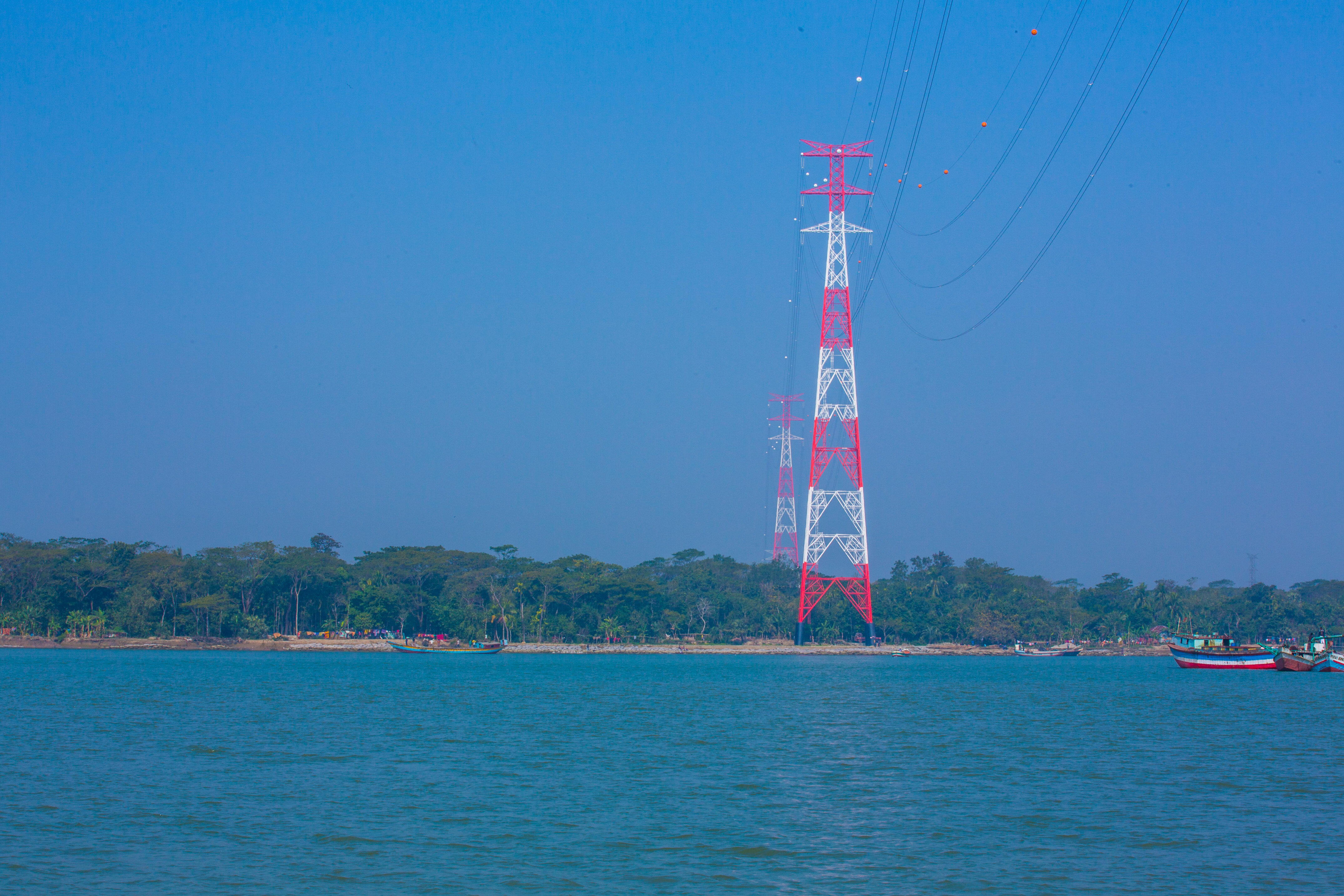
A transmission line is a specialized structure used to carry electrical energy or signals from one point to another with minimal loss and distortion. Transmission lines play a critical role in power systems, telecommunications, radio-frequency (RF) engineering, and modern data communication networks.
This article explains what transmission lines are, how they work, their types, key parameters, and real-world applications.
A transmission line is a pair (or group) of conductors designed to transmit electrical power or signals over long distances. Unlike simple wires, transmission lines are analyzed using distributed electrical properties such as resistance, inductance, capacitance, and conductance.
Transmission line theory becomes especially important when the length of the line is comparable to the wavelength of the signal being transmitted.
Transmission lines are essential because they:
Without proper transmission line design, power losses, reflections, and interference can severely degrade system performance.
Used primarily in electrical power systems to transmit high-voltage electricity.
Features:
Installed below the ground for safety and aesthetic reasons.
Features:
Used in cable TV, internet connections, and RF applications.
Features:
Common in telephone lines and Ethernet networks.
Features:
Used in printed circuit boards (PCBs) for RF and microwave circuits.
Features:
A transmission line is characterized by four distributed parameters:
These parameters affect signal speed, attenuation, and distortion.
The characteristic impedance (Z₀) of a transmission line is the ratio of voltage to current of a traveling wave along the line.
When a transmission line is not properly terminated:
This phenomenon is measured using Voltage Standing Wave Ratio (VSWR).
Transmission lines are used in:
Transmission lines are a fundamental part of modern electrical and communication systems. From delivering electricity to homes to enabling high-speed internet and wireless communication, their design and analysis are crucial for efficiency and reliability.
Understanding transmission lines helps engineers optimize performance, minimize losses, and ensure stable signal transmission across various applications.