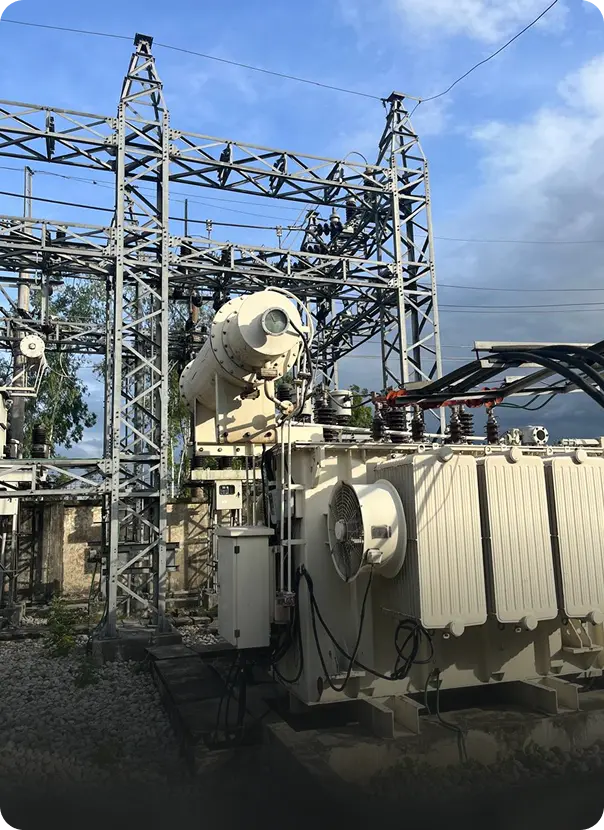
Sub-Station: An Essential Component of Power Systems
A sub-station is a vital part of an electrical power system where voltage levels are transformed, controlled, protected, and distributed. Sub-stations ensure safe and reliable transmission of electricity from power generation plants to consumers.
This article explains what a sub-station is, its functions, types, major equipment, and applications.
What Is a Sub-Station?
A sub-station is an installation where electrical power is received from transmission lines and then transformed to a suitable voltage level for further transmission or distribution. It also acts as a control center for protecting electrical equipment and maintaining system stability.
Sub-stations may increase or decrease voltage depending on their purpose in the power network.
Functions of a Sub-Station
The main functions of a sub-station include:
- Stepping up voltage for efficient transmission
- Stepping down voltage for safe distribution
- Switching and controlling electrical circuits
- Protecting power system equipment
- Monitoring system performance
- Improving power quality and reliability
Types of Sub-Stations
1. Transmission Sub-Station
- Operates at very high voltages (132 kV, 220 kV, 400 kV)
- Connects power plants to the transmission network
2. Distribution Sub-Station
- Reduces voltage for local distribution (11 kV, 33 kV)
- Supplies electricity to residential and commercial areas
3. Switching Sub-Station
- Used only for switching operations
- Does not change voltage levels
4. Indoor Sub-Station
- Installed inside buildings
- Suitable for low-voltage or urban areas
5. Outdoor Sub-Station
- Installed in open areas
- Used for high-voltage transmission systems
6. Underground Sub-Station
- Built below ground level
- Used in cities where space is limited
Main Components of a Sub-Station
1. Power Transformer
- Steps voltage up or down
- Core component of a sub-station
2. Circuit Breaker
- Interrupts current during faults
- Protects equipment from damage
3. Isolator (Disconnect Switch)
- Provides safe isolation for maintenance
- Operates under no-load conditions
4. Busbars
- Conduct electricity between incoming and outgoing circuits
5. Current Transformer (CT)
- Measures current
- Used for protection and metering
6. Potential Transformer (PT)
- Measures voltage accurately
7. Lightning Arrester
- Protects equipment from lightning surges
8. Relays
- Detect faults and initiate circuit breaker operation
Importance of Sub-Stations
Sub-stations are critical because they:
- Ensure reliable power supply
- Minimize transmission losses
- Improve system stability
- Protect costly equipment
- Enable efficient power distribution
Without sub-stations, safe and controlled electricity supply would not be possible.
Safety Measures in Sub-Stations
- Proper grounding (earthing)
- Insulation and clearance standards
- Fire protection systems
- Restricted access and warning signs
- Regular inspection and maintenance
Applications of Sub-Stations
Sub-stations are used in:
- Power generation plants
- Industrial power supply systems
- Urban and rural electricity networks
- Renewable energy integration (solar, wind)
- Railway electrification systems
Advantages and Limitations
Advantages
- Efficient voltage control
- Improved power reliability
- Enhanced system protection
Limitations
- High installation cost
- Requires skilled operation and maintenance
- Space requirements (especially outdoor sub-stations)
Conclusion
A sub-station is the backbone of electrical power transmission and distribution systems. By controlling voltage levels and protecting equipment, sub-stations ensure electricity reaches consumers safely and efficiently.
Understanding sub-stations is essential for anyone studying or working in electrical and power engineering fields.