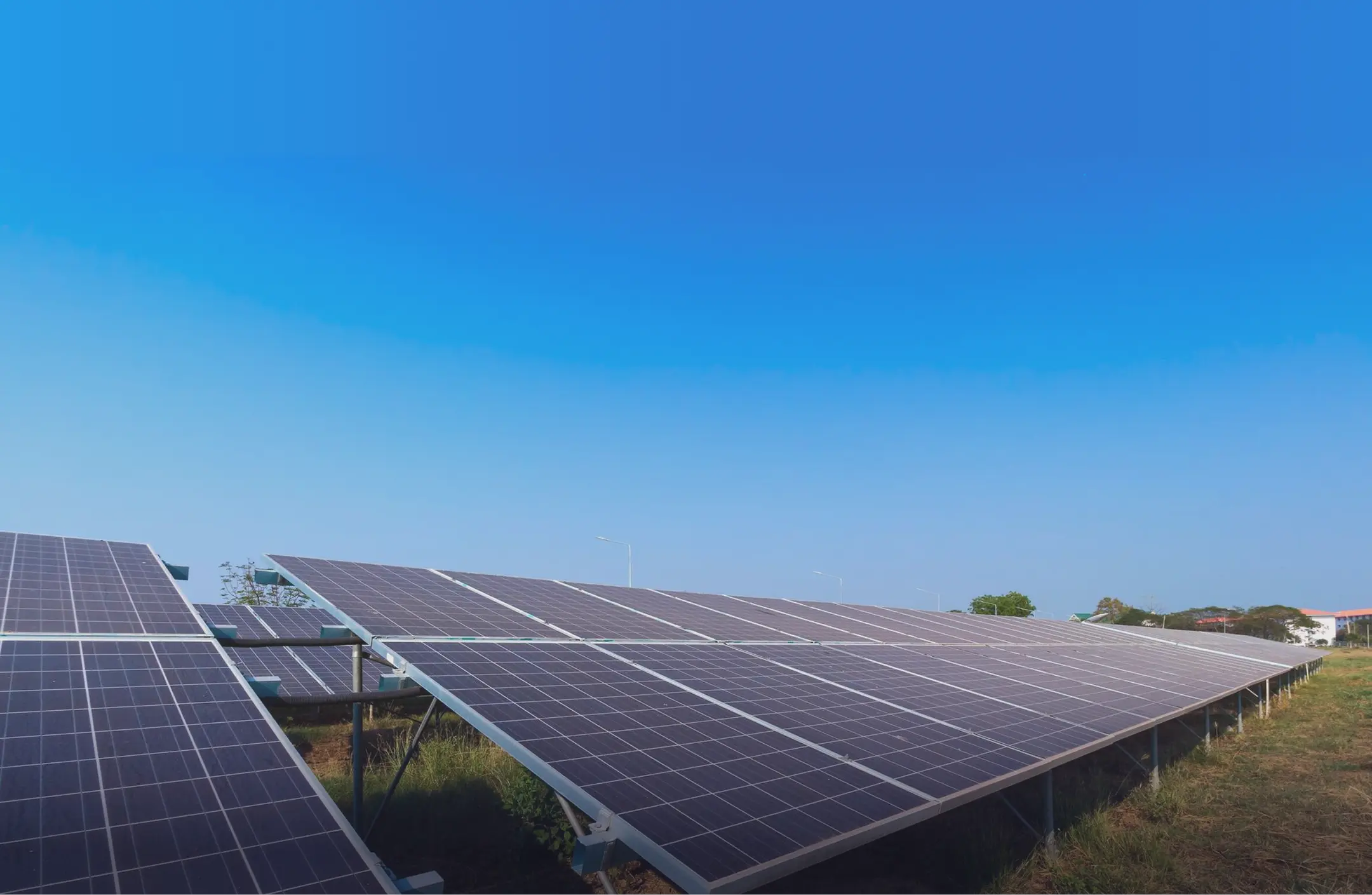
Solar Power: Clean and Sustainable Energy for the Future
Solar power is one of the most important renewable energy sources in the world. It uses energy from the sun to generate electricity or heat, reducing dependence on fossil fuels and helping to protect the environment.
This article explains what solar power is, how it works, its types, advantages, applications, and future potential.
What Is Solar Power?
Solar power is energy obtained from sunlight using solar technologies such as photovoltaic (PV) panels and solar thermal systems. The sun produces an enormous amount of energy every day, making solar power a clean, abundant, and sustainable energy source.
How Solar Power Works
Photovoltaic (PV) System
- Solar panels absorb sunlight
- PV cells convert sunlight into DC electricity
- An inverter converts DC into AC electricity
- Electricity is used in homes or sent to the grid
Solar Thermal System
- Sunlight is used to produce heat
- Heat generates steam to drive turbines
- Commonly used in large power plants
Types of Solar Power Systems
1. Grid-Tied Solar System
- Connected to the national power grid
- Excess energy is sent to the grid
- No battery storage required
2. Off-Grid Solar System
- Operates independently from the grid
- Uses batteries to store energy
- Ideal for remote areas
3. Hybrid Solar System
- Combines grid connection and batteries
- Provides backup power during outages
Main Components of a Solar Power System
- Solar Panels – Capture sunlight
- Inverter – Converts DC to AC power
- Battery – Stores excess energy (optional)
- Charge Controller – Protects batteries
- Mounting Structure – Holds panels in place
- Meter – Measures energy production and usage
Advantages of Solar Power
- Renewable and unlimited energy source
- Environmentally friendly
- Reduces electricity bills
- Low maintenance cost
- Reduces carbon emissions
- Suitable for rural and urban areas
Limitations of Solar Power
- High initial installation cost
- Depends on sunlight availability
- Requires space for panel installation
- Energy storage systems can be expensive
Applications of Solar Power
Solar power is used in:
- Residential homes
- Commercial buildings
- Solar power plants
- Water pumping systems
- Street lighting
- Mobile charging stations
- Agricultural irrigation systems
Environmental Impact
Solar power produces:
- No air pollution
- No greenhouse gas emissions
- Minimal noise
This makes it one of the cleanest energy solutions available today.
Future of Solar Power
Advancements in solar panel efficiency, battery storage, and smart grid technology are rapidly increasing the adoption of solar energy. Many countries are investing heavily in solar power to meet future energy demands and climate goals.
Solar power is expected to play a major role in achieving global energy sustainability.
Conclusion
Solar power is a reliable, clean, and sustainable energy solution for the modern world. By harnessing the sun’s energy, we can reduce environmental damage and move toward a greener future.
Investing in solar power today means securing a cleaner and more energy-efficient tomorrow.